
Are You Stressed and Living in Constant Crisis Mode?
Understanding Why Everything Feels Like an Emergency
Crisis mode can become a way of life for many people. If you constantly feel stressed, overwhelmed, or responsible for solving everyone else’s problems, you may find yourself reacting to situations as though they are emergencies, even when no immediate danger exists.
Many people seeking counselling for anxiety, stress, or codependency describe feeling exhausted from carrying the weight of everyone else’s challenges. They spend countless hours worrying about situations they cannot fully control and imagining worst-case scenarios that may never happen.
The good news is that living in constant crisis mode is a learned pattern, and it can be changed.
What Does Crisis Mode Look Like?
Crisis mode often begins with a stressful situation and quickly escalates because of the story we tell ourselves about what might happen next.
Consider these examples:
- Your adult child forgets important documents for work, and you immediately feel responsible for fixing the problem.
- Your child accidentally causes damage at a friend’s home, and you become consumed by fears of criticism or judgment.
- Your co-parent makes parenting choices you disagree with, and your mind races ahead to future consequences that have not happened.
Although these situations may be frustrating, they are not necessarily crises. However, anxiety can convince you otherwise.
How Anxiety Creates a Sense of Crisis
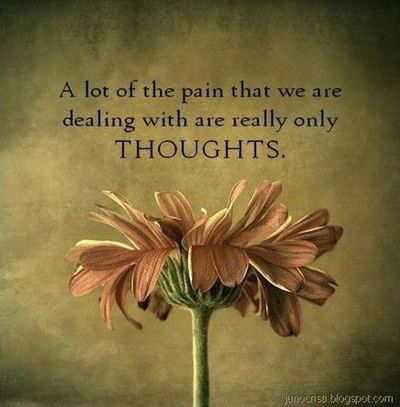
When something unexpected happens, your mind naturally tries to predict the outcome. Unfortunately, anxiety often focuses on the worst possible scenario.
Instead of seeing the situation as it is, you may begin imagining:
- What if this goes terribly wrong?
- What if someone gets angry?
- What if I am judged?
- What if this creates a bigger problem later?
As a result, your body reacts as though the imagined future is happening right now.
Your heart races, your stress hormones increase, and you feel compelled to take action immediately.
The Hidden Role of Codependency
Many people who frequently experience crisis mode also struggle with codependent patterns.
Codependency often involves believing that:
- You are responsible for other people’s feelings.
- You must prevent others from making mistakes.
- You need to solve problems for people you care about.
- Other people’s happiness depends on you.
However, these beliefs place an enormous burden on your shoulders.
While it is natural to care about loved ones, it is not your responsibility to control the outcomes of their lives.
The Difference Between a Problem and a Crisis
One helpful question to ask yourself is:
“Is there a real crisis happening right now?”
Often, the answer is no.
A forgotten document is not a crisis.
A disagreement with a co-parent is not a crisis.
A mistake made by your child is not a crisis.
These situations may require attention, but they do not require panic.
Learning to separate present reality from future fears can significantly reduce stress and anxiety.
Why Crisis Mode Becomes Addictive
Living in crisis mode often triggers an adrenaline response.
Over time, some people become so accustomed to operating under pressure that calm feels unfamiliar.
As a result, they may constantly scan for problems, anticipate negative outcomes, and feel responsible for preventing anything from going wrong.
Unfortunately, this habit can leave you emotionally exhausted and disconnected from the present moment.
How to Break Free from Crisis Mode
Pause Before Reacting
When something stressful happens, take a moment before jumping into action.
Ask yourself:
- What is actually happening right now?
- What facts do I know for certain?
- What assumptions am I making?
Return to the Present Moment
Instead of focusing on future possibilities, bring your attention back to what is happening today.
The present moment is often far less frightening than the stories anxiety creates.
Practice Healthy Boundaries
Remember that caring about someone does not mean taking responsibility for their choices, feelings, or consequences.
Healthy boundaries allow you to support others without carrying their burdens.
Learn Anxiety Management Skills
Breathing exercises, mindfulness, journaling, meditation, and counselling can all help you regulate anxiety and reduce the urge to enter crisis mode.
A Powerful Perspective Shift
Holocaust survivor and psychiatrist Viktor Frankl famously wrote:
“At any given moment, we have the freedom to choose our attitude.”
While we cannot control everything that happens around us, we can choose how we respond.
That choice is often the first step toward greater peace, resilience, and emotional freedom.
Final Thoughts
If you frequently feel stressed, overwhelmed, or trapped in constant crisis mode, know that change is possible.
Many of the situations that trigger anxiety are not true emergencies. Instead, they are opportunities to practice grounding yourself in the present moment, setting healthy boundaries, and letting go of responsibility for outcomes you cannot control.
With patience and practice, you can move from reacting with fear to responding with calm confidence. As a result, you will experience less stress, greater emotional balance, and more freedom to enjoy your life.