
Teaching Children Patience: How Stress Tolerance Can Help Prevent Addiction Later in Life
Why Learning to Wait Matters
 Today’s children are growing up in a world of instant gratification. Entertainment, food, information, and communication are available almost instantly. While convenience has many benefits, it may also reduce opportunities for children to develop patience and stress tolerance.
Recently, I observed a mother sitting in a coffee shop with her young children. The children were happily watching a cartoon on a smartphone while their mother chatted with a friend. When the phone was briefly handed to someone else, one child immediately became upset and demanded it back.
This experience raised an important question: Are today’s children being given enough opportunities to learn how to wait, cope with frustration, and self-soothe?
The Importance of Stress Tolerance
Stress tolerance is the ability to sit with uncomfortable feelings without immediately trying to escape them.
Children are not born with this skill. Instead, they develop it over time through practice, support, and guidance from caring adults.
When children learn that they can survive disappointment, boredom, frustration, and waiting, they build emotional resilience. As a result, they become better equipped to handle life’s challenges as teenagers and adults.
Living in a Culture of Instant Gratification
Modern life encourages immediate solutions.
Fast food arrives within minutes. Online shopping provides instant rewards. Social media offers constant stimulation. Many adults also live under significant pressure from work, parenting, financial responsibilities, and busy schedules.
Consequently, many people struggle to slow down and tolerate discomfort.
When stress becomes overwhelming, some individuals look for quick ways to feel better.
The Connection Between Stress and Addiction
Many unhealthy coping behaviours provide temporary relief from difficult emotions.
For some people, this may involve emotional eating. Others may turn to shopping, excessive screen time, alcohol, smoking, or other addictive behaviours.
Often, these behaviours serve the same purpose: avoiding emotional discomfort.
Individuals who struggle with emotional eating frequently use food to soothe stress, anxiety, loneliness, sadness, or self-criticism. Unfortunately, temporary relief rarely solves the underlying problem.
Developing healthy coping skills is an essential part of breaking this cycle.
Helping Children Build Emotional Resilience
Parents play an important role in teaching stress tolerance.
When children experience frustration, disappointment, or impatience, it can be tempting to solve the problem immediately. However, every uncomfortable moment presents an opportunity for growth.
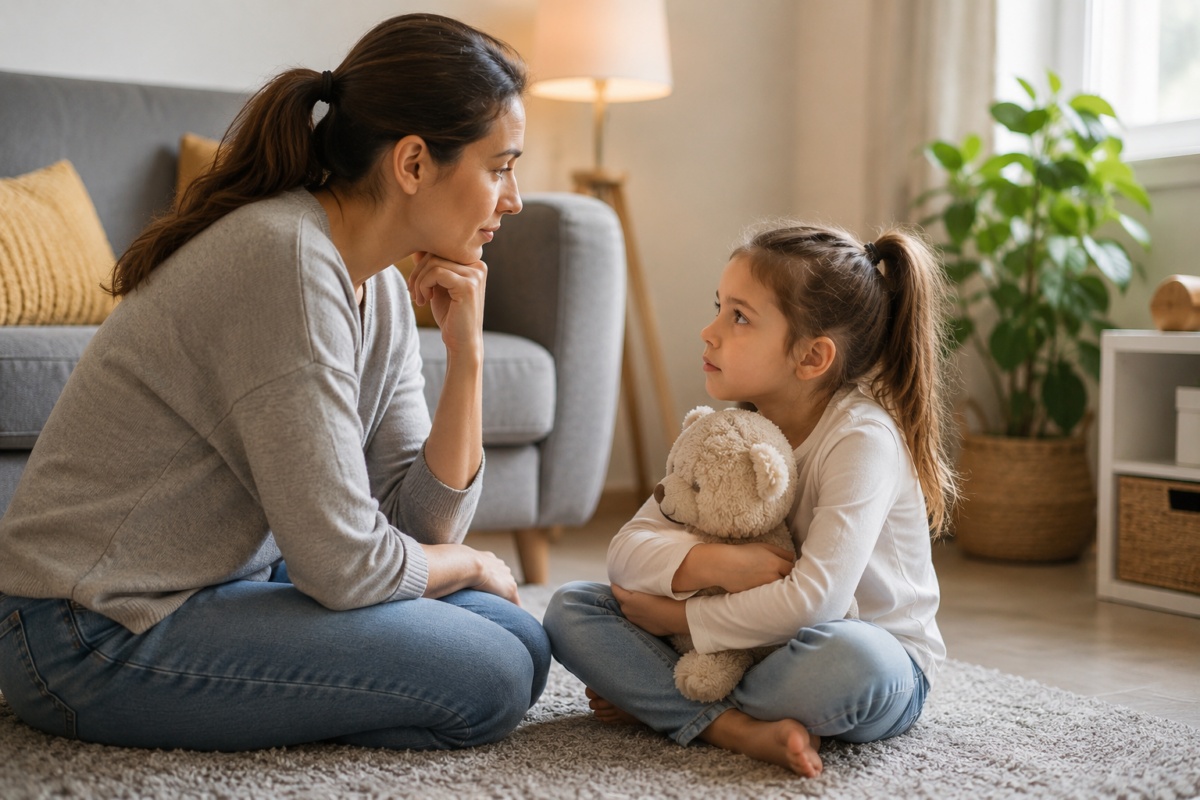
This does not mean ignoring a child’s feelings. Instead, it means acknowledging those feelings while helping the child learn healthy ways to cope.
For example, you might say:
“I know waiting feels hard right now.”
“I understand you’re disappointed.”
“It’s okay to feel frustrated.”
These responses validate emotions while teaching children that difficult feelings can be managed.
Modeling Healthy Coping Skills
Children learn more from what we do than what we say.
When parents manage stress in healthy ways, children observe and learn those skills. Taking time to rest, exercise, journal, talk about emotions, or seek support demonstrates positive coping strategies.
Likewise, giving yourself permission to recharge and practice self-care benefits both you and your family.
Raising Emotionally Healthy Children
Teaching patience and stress tolerance requires time, consistency, and compassion. However, the long-term benefits are significant.
Children who learn to manage discomfort are often better equipped to handle challenges, setbacks, and stress throughout life. They are also less likely to rely on unhealthy coping mechanisms when emotions become difficult.
By helping children develop emotional resilience today, we give them valuable tools that can support healthier relationships, improved mental health, and greater well-being for years to come.