
Online Counselling Articles for Relationships and Personal Growth

Relationship and Online Counselling Resources
Welcome to the Relationship & Online Counselling Blog at Positive Life Changes. This blog shares professional guidance and supportive information for individuals and couples who want healthier relationships, stronger emotional connections, and personal growth.
Here, you will find articles about communication, intimacy, emotional wellness, stress, anxiety, self-esteem, and relationship challenges. In addition, helpful tips and practical strategies will support you as you work toward positive changes in your life and relationships.
Benefits of Online Counselling
Online counselling gives individuals and couples a comfortable and flexible way to access support. You can attend sessions from the privacy of your own home without dealing with commuting or travel time. As a result, counselling becomes easier to fit into busy schedules.
Virtual counselling also allows people to feel more relaxed and comfortable during sessions. Many clients appreciate the convenience and privacy that online therapy provides.
This blog will regularly share information about virtual therapy, relationship support, emotional healing, and personal development. Furthermore, articles will help answer common questions about counselling and the healing process.
Relationship and Intimacy Support
Healthy relationships require communication, trust, emotional connection, and understanding. However, many couples and individuals experience challenges that can feel overwhelming at times.
This blog offers supportive resources for topics such as:
- Relationship and marriage counselling
- Communication and conflict resolution
- Sex and intimacy concerns
- Emotional wellness and self-esteem
- Stress and anxiety management
- Personal growth and healing
- Virtual therapy and counselling support
Each article aims to provide encouragement, education, and practical tools that support healthier relationships and emotional well-being.
Support for Positive Life Changes
Personal growth often begins with small steps and new insights. Therefore, this blog was created to help individuals and couples feel informed, supported, and inspired along their journey.
New articles will continue to be added regularly. We invite you to explore the resources below and discover helpful guidance for relationships, intimacy, emotional wellness, and personal growth.

The “J factor” almost destroyed them and everything they had built together
How Judgment in Relationships Destroys Connection Have you ever reached a point in your relationship where every conversation seems to turn into an argument? Perhaps you and your partner find yourselves walking on eggshells, avoiding difficult conversations, or feeling emotionally exhausted after every disagreement. Over time, frustration grows, misunderstandings multiply, and the connection that once … Read more

C O R A: How to get her to STOP NAGGING
How to Stop Nagging in a Relationship with the CORA Method If you’ve ever found yourself wondering how to stop nagging in a relationship, you’re certainly not alone. As a marriage counsellor and relationship therapist, one of the most common concerns I hear from couples is communication. Often one partner says, “I wish she would … Read more

How to make Valentine’s day not just ANOTHER painful reminder that you don’t have a partner
How to Enjoy Valentine’s Day Without a Partner Finding Self-Love and Happiness on Valentine’s Day Valentine’s Day without a partner can feel challenging. Whether you are healing from a recent breakup, grieving the loss of a relationship, or longing to meet someone special, the holiday can sometimes magnify feelings of loneliness and disappointment. Everywhere you … Read more

Does your partner’s attitude suck?
How Negative Assumptions Hurt Relationships Negative assumptions in relationships can quietly erode trust, intimacy, and connection. Although most couples do not intentionally create distance between each other, harmful patterns often develop when partners begin interpreting each other’s actions through a negative lens. Over time, these assumptions can become the foundation of a painful story that … Read more

How to shift from frustration and disappointment to hope and connection
How to Build Hope and Connection in Relationships Relationship hope and connection can feel difficult to maintain when couples become stuck in patterns of frustration, disappointment, and blame. However, even long-standing negative cycles can be changed when both partners become willing to focus on growth instead of fault. Many couples arrive in counselling feeling discouraged. … Read more

How to shift back to YES in the bedroom
How to Improve Intimacy in Marriage by Shifting Back to “Yes” Improve intimacy in marriage by understanding the emotional patterns that influence desire, connection, and willingness. Many couples are surprised to discover that a satisfying intimate relationship often begins long before they enter the bedroom. As a marriage counsellor and intimacy coach, I frequently work … Read more

Are you unknowingly deducting happiness from your relationship?
How Relationship Happiness Starts to Fade As life becomes busier, relationships naturally encounter new challenges. Work demands increase, children require attention, financial pressures emerge, and household responsibilities continue to grow. Consequently, many couples begin experiencing moments when they feel unheard, unappreciated, or misunderstood. Over time, repeated disappointments can change the way partners view each other. … Read more

3 fingers: a simple practice to reduce conflict and increase connection with your partner
3 Fingers: A Simple Practice to Reduce Conflict and Increase Connection How to Stop Repeating the Same Relationship Arguments Reducing relationship conflict often begins with understanding your own reactions. Many couples seek relationship counselling because they feel exhausted by constant arguments, criticism, and negativity. One moment everything seems fine, and the next, a disagreement escalates … Read more

Has Addiction damaged your self-esteem?
Has Addiction Damaged Your Self-Esteem? Rebuilding Confidence, Trust, and Self-Worth During Recovery Addiction and self-esteem are closely connected. Whether you are struggling with addiction yourself or supporting a loved one through recovery, the emotional impact can leave deep wounds. Broken promises, damaged trust, feelings of shame, and ongoing uncertainty often affect how you see yourself … Read more
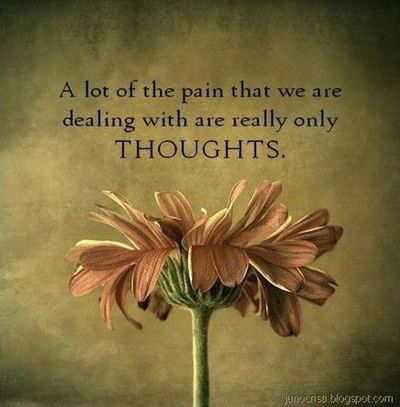
Are you stressed and feeling in constant crisis mode?
Are You Stressed and Living in Constant Crisis Mode? Understanding Why Everything Feels Like an Emergency Crisis mode can become a way of life for many people. If you constantly feel stressed, overwhelmed, or responsible for solving everyone else’s problems, you may find yourself reacting to situations as though they are emergencies, even when no … Read more
When lovemaking feels like doing dishes in the dark OR The Art of Giving and Receiving Feedback in the Bedroom
How Giving Feedback Can Improve Your Sex Life Why Communication Is the Key to Better Intimacy Giving feedback in the bedroom is one of the most important skills couples can develop if they want a more satisfying and connected sex life. Yet many people hesitate to communicate openly about intimacy because they fear hurting their … Read more

Are you ready for more love in your relationship?
Are You Ready for More Love in Your Relationship? How Forgiveness Can Strengthen Your Relationship More love in your relationship often starts with something many couples overlook: forgiveness. While most people want deeper connection, greater intimacy, and stronger communication, unresolved hurt can quietly stand in the way. As a relationship counsellor, I frequently work with … Read more
Is your relationship affair “proofed”?
Is Your Relationship Affair-Proof? 6 Ways to Strengthen Your Relationship and Prevent Emotional Disconnection Relationship Affair Prevention. Many people believe affairs happen suddenly, but in reality, relationship disconnection often develops gradually over time. Emotional distance, loneliness, poor communication, and unmet needs can slowly erode trust and intimacy if they are not addressed. As a relationship … Read more

Is scorekeeping eroding your marriage?
Is Score Keeping in Marriage Eroding Your Relationship? Relationships thrive on love, trust, appreciation, and connection. However, score keeping in marriage can quietly undermine even the strongest relationships. When couples begin tracking who has done more, who was hurt first, or who deserves an apology, emotional distance often starts to grow. If you have ever … Read more
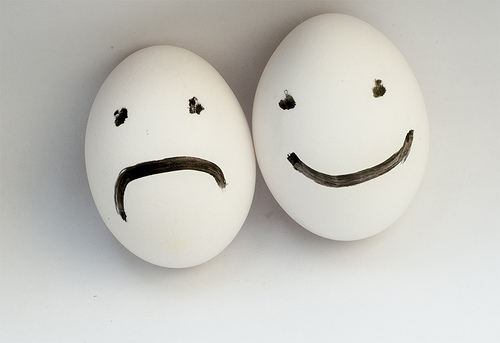
Improve your happiness quotient by learning this mantra
Improve Your Happiness Quotient with This Simple Mantra Many people spend a great deal of their time worrying about the people they love. You may find yourself trying to prevent a loved one from feeling disappointed, becoming depressed, relapsing into addiction, or experiencing emotional pain. Perhaps you are the friend who is always available to … Read more

Is your sex life falling apart because of your libido?
Is Low Libido Really the Problem? Understanding the Real Causes of Low Sexual Desire in Relationships Low Libido in Relationships can be a problem. Many couples seek relationship counselling because they are concerned about a decline in intimacy and sexual desire. One of the most common complaints I hear is, “I think I’ve lost my … Read more

Why can couple’s counselling before marriage have an impact on your sex life?
Why Premarital Counselling Can Improve Your Sex Life Discover How Premarital Counselling Strengthens Intimacy and Connection When most couples think about premarital counselling, they often focus on communication, finances, future goals, and conflict resolution. However, many people are surprised to learn that premarital counselling can also have a significant impact on their future sex life … Read more
Is Addiction Relapse Prevention part of your Wedding Preparations?
Addiction Recovery and Wedding Planning: How to Prevent Relapse During Wedding Celebrations Planning a Wedding While Protecting Recovery Addiction Recovery and Wedding Planning. Planning a wedding is one of life’s most exciting milestones. However, if one partner is recovering from addiction, wedding preparations can create unique challenges that many couples do not anticipate. Bachelor and … Read more

Why understanding Mr. Duffy can save your marriage
How to Stop Escalating Relationship Conflicts The Secret to Healthier Communication in Marriage One of the most common reasons couples seek relationship counselling is communication problems. In fact, many couples say they are not necessarily arguing about major issues. Instead, they struggle with how they handle disagreements when emotions become intense. Have you ever walked … Read more

Are these 4 LOVE ERASERS at work in your relationship?
The 4 Love Erasers That Can Damage Your Relationship Are These Relationship Killers Affecting Your Marriage? Every relationship experiences challenges. However, certain communication habits can slowly erode trust, intimacy, and emotional connection over time. Relationship expert Dr. John Gottman spent decades studying couples and identified four destructive communication patterns that strongly predict relationship dissatisfaction and … Read more

Do you know the number 1 secret to a fulfilling long-term relationship?
The #1 Secret to a Fulfilling Long-Term Relationship Why Connection Matters More Than Anything Else What is the number one secret to a fulfilling long-term relationship? You may be surprised by the answer: connection. Connection is the foundation of every healthy and lasting relationship. When couples feel emotionally connected, they communicate better, enjoy greater intimacy, … Read more
“Pillow Talk” Part 2: addressing orgasm difficulties
Understanding Orgasm Difficulties in Relationships Why Communication Matters More Than Performance Many couples struggle to talk openly about sex, pleasure, and orgasm. As a result, misunderstandings can develop, emotional distance can grow, and intimacy may begin to suffer. One of the most common concerns discussed in intimacy counselling is difficulty reaching orgasm or differing expectations … Read more

“Pillow Talk” Part 1: Communication Tips from an Intimacy Counsellor
How to Talk About Sex With Your Partner Communication Tips for a More Intimate Relationship Many couples find it easier to talk about finances, parenting, or work than they do about sex. As an intimacy counsellor and relationship therapist, one of the first questions I ask couples is whether they feel comfortable discussing their sexual … Read more

3 Key Practices for Creating Relationship Thrival
3 Key Practices for a Thriving Relationship Do You Feel Taken for Granted in Your Relationship? Have you ever felt like your partner no longer notices you the way they once did? This is one of the most common concerns couples bring to relationship counselling. Often, one partner feels hurt, disconnected, or unappreciated, while the … Read more
How to stop the Power Struggle in your relationship
How to Stop the Power Struggle in Your Relationship Are You Stuck in a Relationship Power Struggle? Do you find yourself having the same arguments with your partner over and over again? Perhaps one of you feels controlled, while the other feels ignored or misunderstood. Maybe you often think: “Why does everything have to be … Read more

Do you enjoy sex more after a few drinks?
Can Alcohol Improve Your Sex Life? The Truth About Intimacy and Connection Do You Enjoy Sex More After a Few Drinks? Many people report feeling more relaxed, confident, or uninhibited after having a drink or two. As a result, some couples begin to associate alcohol with intimacy and sexual connection. Over time, however, relying on … Read more

Becoming a caregiver and the perfectionism trap
Caregiver Stress and Perfectionism: How Letting Go of Unrealistic Expectations Can Improve Your Well-Being Are You Falling Into the Caregiver Perfectionism Trap? Becoming a caregiver can be one of the most meaningful and challenging life transitions a person experiences. Whether you are caring for an aging parent, a spouse, or another loved one, caregiving often … Read more

Stressed? Anxious?…Just breathe…
Breathing for Stress and Anxiety: A Simple Technique to Calm Your Mind and Body Can Breathing Really Reduce Stress and Anxiety? When someone tells you to “just breath,” it may sound overly simple. After all, you are already breathing, aren’t you? However, the way you breathe can have a significant impact on your physical and … Read more
Are You Gaining Weight Because You’re Ignoring Your Own Needs? Part 2
Are You Gaining Weight Because You’re Ignoring Your Own Needs? Part 2 Learning to Ask for What You Need In Part 1, we explored how putting yourself last can contribute to stress, emotional eating, and feelings of overwhelm. We discussed how constantly taking care of others while ignoring your own needs can leave you feeling … Read more
Use this practice to enjoy a more satisfying sex life with your partner
Body Awareness for Better Intimacy and Connection The Secret to a More Satisfying Intimate Relationship Many couples want a deeper emotional and physical connection with their partner. While communication, trust, and affection are important, one often-overlooked factor can significantly enhance intimacy: body awareness. As an intimacy coach and relationship counsellor, I often work with couples … Read more

What should be on the top of your to-do list to make your marriage flourish?
The One Thing That Should Be at the Top of Your To-Do List for a Stronger Marriage Want Your Marriage to Thrive? Many couples seek relationship counselling because something feels missing in their marriage. Often, they describe feeling confused, disappointed, or saddened by the realization that their once-exciting relationship has become predictable and routine. The … Read more
Having difficulty asking for what you want? Get help from a baby.
Having Difficulty Asking for What You Want? Learn an Important Lesson from Babies Why Is It So Hard to Ask for What You Want? Learning how to ask for what you want can feel surprisingly difficult. Yet when you were a baby, expressing your needs came naturally. If you were hungry, you cried. If you … Read more

How to stop having certain arguments over and over again…
How to Stop Having the Same Argument Over and Over Again Are You Stuck Having the Same Relationship Conflict? Do you ever feel like you and your partner keep having the same argument? Perhaps the topic changes slightly, but the frustration feels familiar. One of you becomes irritated, the other becomes defensive, and before long … Read more

Are you getting bigger because you’re making yourself small? Part 1
Are You Gaining Weight Because You’re Ignoring Your Own Needs? Part 1 The Hidden Cost of Putting Yourself Last Have you ever found yourself constantly taking care of everyone else while neglecting your own needs? Many people, especially women, grow up believing that being a good partner, parent, daughter, friend, or caregiver means putting everyone … Read more

How Authenticity can help you lose weight
Authenticity and Emotional Eating: How Being True to Yourself Can Help You Lose Weight Could Authenticity Be the Missing Piece? When people think about weight loss, they often focus on diets, exercise plans, and willpower. However, lasting change may have less to do with food and more to do with your relationship with yourself. Many … Read more

Intimacy Coaching: 10 minutes to a deeper Intimate Connection
Deepening Intimacy: A Simple 10-Minute Practice for Stronger Emotional and Physical Connection Do You Want a Deeper Connection With Your Partner? Many couples long for a deeper emotional and intimate connection. Perhaps your relationship is generally good, but daily responsibilities, busy schedules, parenting demands, stress, or unresolved conflicts have created some distance between you and … Read more
Depression, anxiety and the stock market
Depression and Anxiety: Are You Investing Your Emotional Energy Wisely? Understanding Your Emotional Currency Depression and anxiety often leave people feeling exhausted, overwhelmed, and powerless. While we cannot always control what happens around us, we can learn to become more aware of where we invest our emotional energy. Think of it this way: Imagine that … Read more
Celebrating the divinity and beauty in you…
Celebrating the Divinity and Beauty Within You Are You Harder on Yourself Than Anyone Else? One of the most common struggles I witness in my work as a counsellor is the belief of not being good enough. Many people carry a harsh inner critic that constantly reminds them of their perceived flaws, mistakes, and shortcomings. … Read more

Looking for help to stop overeating? Don’t follow this advice…
Looking for Help to Stop Overeating? Why Distraction Is Not the Answer Can You Replace Overeating with Another Habit? When people struggle with emotional eating, they often search for quick solutions to stop overeating. Unfortunately, some advice can be misleading and may even create new problems. Several years ago, a client came to me seeking … Read more
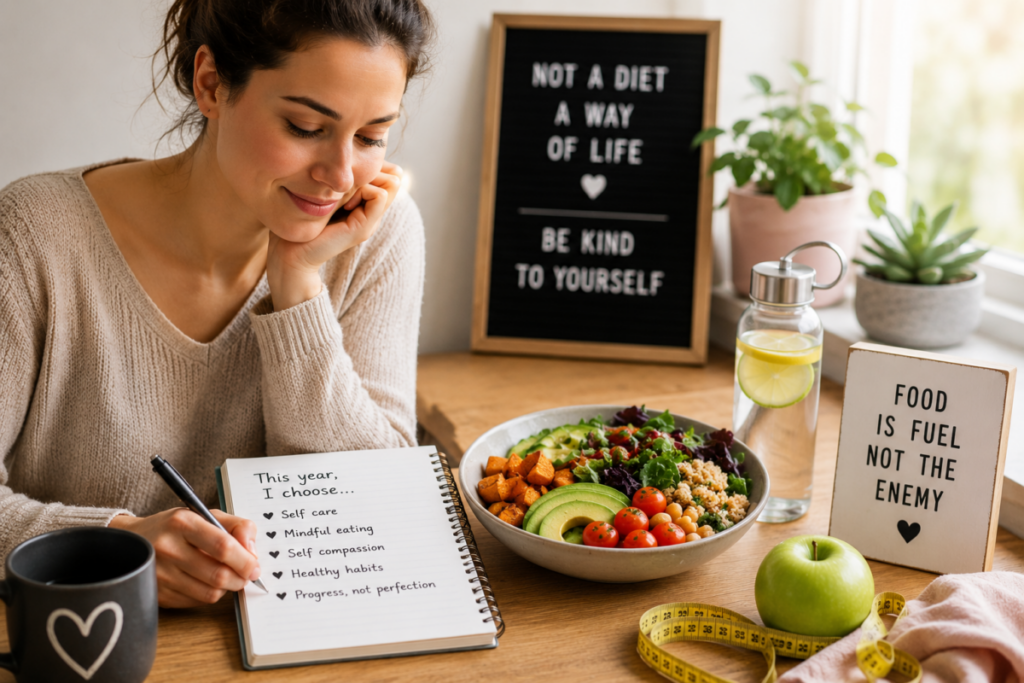
I want to lose weight – your “familiar” New Year’s resolution?
Want to Lose Weight This Year? Focus on Healing Your Relationship with Food Instead A Different Approach to New Year’s Weight Loss Goals Every January, countless people make the same New Year’s resolution: “I want to lose weight.” For many, this goal leads to another diet plan, strict food rules, and renewed determination. Unfortunately, the … Read more

Depression… when the coin has stopped spinning and what to do about it
Depression Support: How to Find Hope When You Feel Stuck Understanding Depression Depression can leave you feeling stuck, overwhelmed, and disconnected from yourself. If you have ever struggled with depression, you may understand how difficult it can be to find motivation, hope, or a sense of direction. In my work providing depression support and counselling, … Read more
Why having a pity party with your spouse is good for you
Why Venting With Your Partner Can Strengthen Your Relationship Is It Healthy to Complain to Your Partner? Many couples worry that talking about frustrations, annoyances, and daily stress will negatively affect their relationship. However, when done in a healthy way, sharing life’s challenges can actually strengthen emotional connection. In fact, taking time to vent and … Read more
How you can reap the benefits of change
Embracing Change: How to Turn Life Transitions Into Opportunities for Growth Why Change Feels So Difficult Embracing change is not always easy. Whether change is planned, unexpected, welcome, or unwanted, it often brings uncertainty. Most people naturally resist change because it forces them to step into the unknown. However, change rarely arrives all at once. … Read more

Did you know there is one very simple way to extend your life span?
Positive Aging: One Simple Mindset Shift That May Help You Live Longer How Do You Feel About Aging? Positive aging begins with the way we think about growing older. If you are in your twenties or thirties, aging may not be something you think about very often. However, once people reach their forties, fifties, and … Read more

Do you know these 2 essential ingredients for relationship thrival?
Two Essential Ingredients for Healthy Relationships: Mindfulness and Boundaries Do You Feel Truly Heard and Seen in Your Relationship? One of the most fundamental human needs is the desire to feel heard, understood, and valued. When you feel truly seen and heard by someone you love, it creates a sense of connection, emotional safety, and … Read more

Teaching Children Patience: How Stress Tolerance Can Help Prevent Addiction Later in Life
Teaching Children Patience: How Stress Tolerance Can Help Prevent Addiction Later in Life Why Learning to Wait Matters Today’s children are growing up in a world of instant gratification. Entertainment, food, information, and communication are available almost instantly. While convenience has many benefits, it may also reduce opportunities for children to develop patience and stress … Read more
Silence can make you fat…
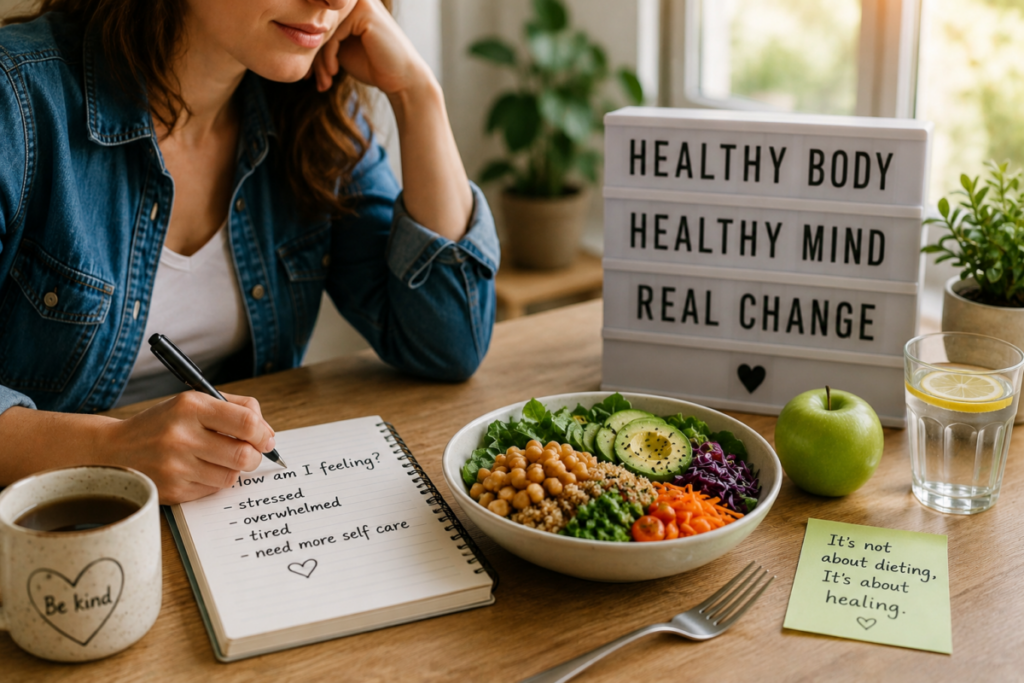
Silence can make you fat… Emotional Eating and Weight Loss: Why Diets Often Fail Understanding Canada’s Weight Struggles Canada continues to face growing challenges related to obesity and weight management. While many people focus on dieting as the solution, long-term weight loss often requires a much deeper approach. Canadian nutrition expert Rose Reisman has … Read more

When you can’t stop criticizing each other – how to stop the blame game
How to Stop Blaming Each Other: Breaking the Criticism Cycle in Relationships Are You Stuck in the Blame Game? Do you ever find yourself saying things like: “I can never do anything right.” “Nothing I do is ever good enough for you.” “Why do we keep having the same argument?” If so, you are not … Read more

Do you yearn for freedom and Autonomy?
Are You Getting Bigger Because You’re Keeping Yourself Small? The Need for Freedom and Autonomy Do You Yearn for More Freedom and Autonomy? Do you spend most of your time making sure everyone around you is happy? Are you constantly meeting the needs of your partner, children, family, friends, or coworkers while putting your own … Read more
The double-edged sword of asking for help
Asking for Help in Relationships: Why It Can Be So Difficult The Challenge of Asking for Help Many couples find themselves spending more time together than ever before. As responsibilities increase, so does the need for teamwork. However, asking for help is not always easy. For some people, requesting support feels uncomfortable or even vulnerable. … Read more

Eat Like a Snail – Mindful Eating
Eat Like a Snail: The Benefits of Slowing Down While Eating Does Your Eating Style Come From Childhood? Does the way you eat reflect how your family ate when you were growing up? Many eating habits develop during childhood and continue into adulthood. For example, some people learn to eat quickly because meals were rushed. … Read more

Affirmations – The Secret to You
Start Your Day with Positive Affirmations How many of us look in the mirror every morning and say, “I am the perfection of Life. Today I will take time to laugh and play”? For many people, the day begins with a long to-do list and countless responsibilities. Instead of welcoming the day with joy, we … Read more
Couples argue less without this question / habit
Couples Argue Less When They Stop Asking This One Question Could One Simple Communication Change Improve Your Relationship? Many couples are surprised to learn that one small communication habit can create a surprising amount of conflict. In relationship counselling, I often hear partners say: “Every conversation turns into an argument.” “I was only trying to … Read more

Do you allow yourself to dream?
Follow Your Dreams: Why Pursuing Your Passion Is Essential for Mental Health Do You Allow Yourself to Follow Your Dreams? Following your dreams is about more than achieving goals. It is about honouring the passions, talents, and desires that make you uniquely you. Yet many people stop themselves from following their dreams because they believe … Read more

Use this technique to fight less with your partner
Want to Fight Less With Your Partner? Try This Simple Journaling Technique Why Do Couples Keep Having the Same Arguments? If you and your partner find yourselves having the same disagreements over and over again, you are not alone. One of the most common concerns couples bring to relationship counselling is constant bickering, arguing, and … Read more

A simple yet highly effective tool for affair prevention
A Simple Daily Habit That Can Strengthen Your Relationship and Prevent Emotional Affairs Feeling Disconnected From Your Partner? Do you sometimes find it easier to talk to your friends about your feelings than your spouse? Perhaps you share your frustrations, fears, successes, and dreams with others while conversations with your partner focus mainly on schedules, … Read more